Introduction
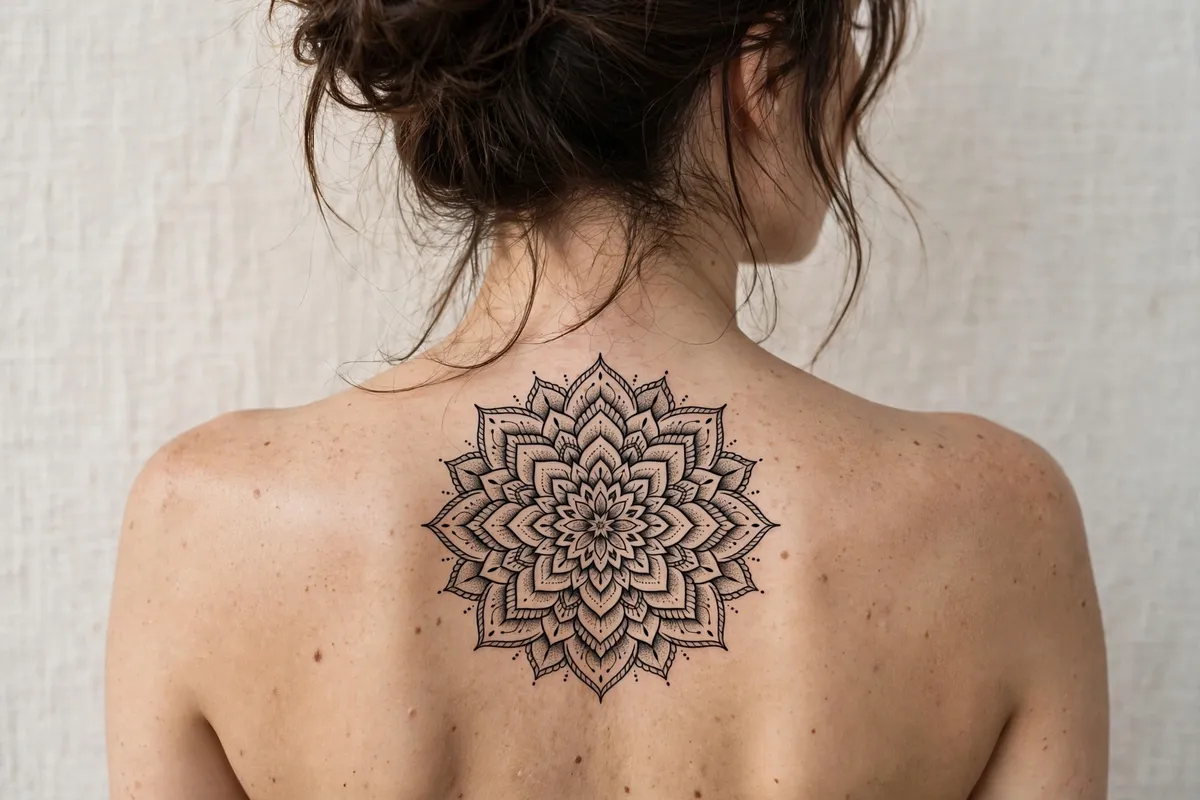
Mandalas have been drawn for centuries as circles of balance, and that is exactly why they make such good tattoos. The word itself means circle, and every mandala starts from a single centre point and grows outward in careful, repeating patterns. There is something quietly calming about that symmetry — it feels ordered, steady, and complete, even when the design itself is full of tiny detail.
A mandala tattoo can be as simple or as elaborate as you like. A small fine-line mandala on the wrist is barely bigger than a coin, while a full back piece can take several sessions and fill the whole space with layers of petals, dots, and lace-like lines. They work in plain black ink, in soft grey shading, or in gentle colour, and they sit beautifully on the shoulder, the spine, the forearm, or the ankle. Many people choose a mandala because it represents balance, harmony, or a fresh start, but plenty choose one simply because the pattern is beautiful to look at.
Below are 21 mandala tattoo ideas, from the smallest minimalist design to a large statement back piece. Each one comes with a suggested placement, so you can picture how it would sit on your own skin. Take your time, save the ones that speak to you, and talk them through with your artist before you book.
21 Mandala Tattoo Ideas
1. Classic Symmetrical Mandala
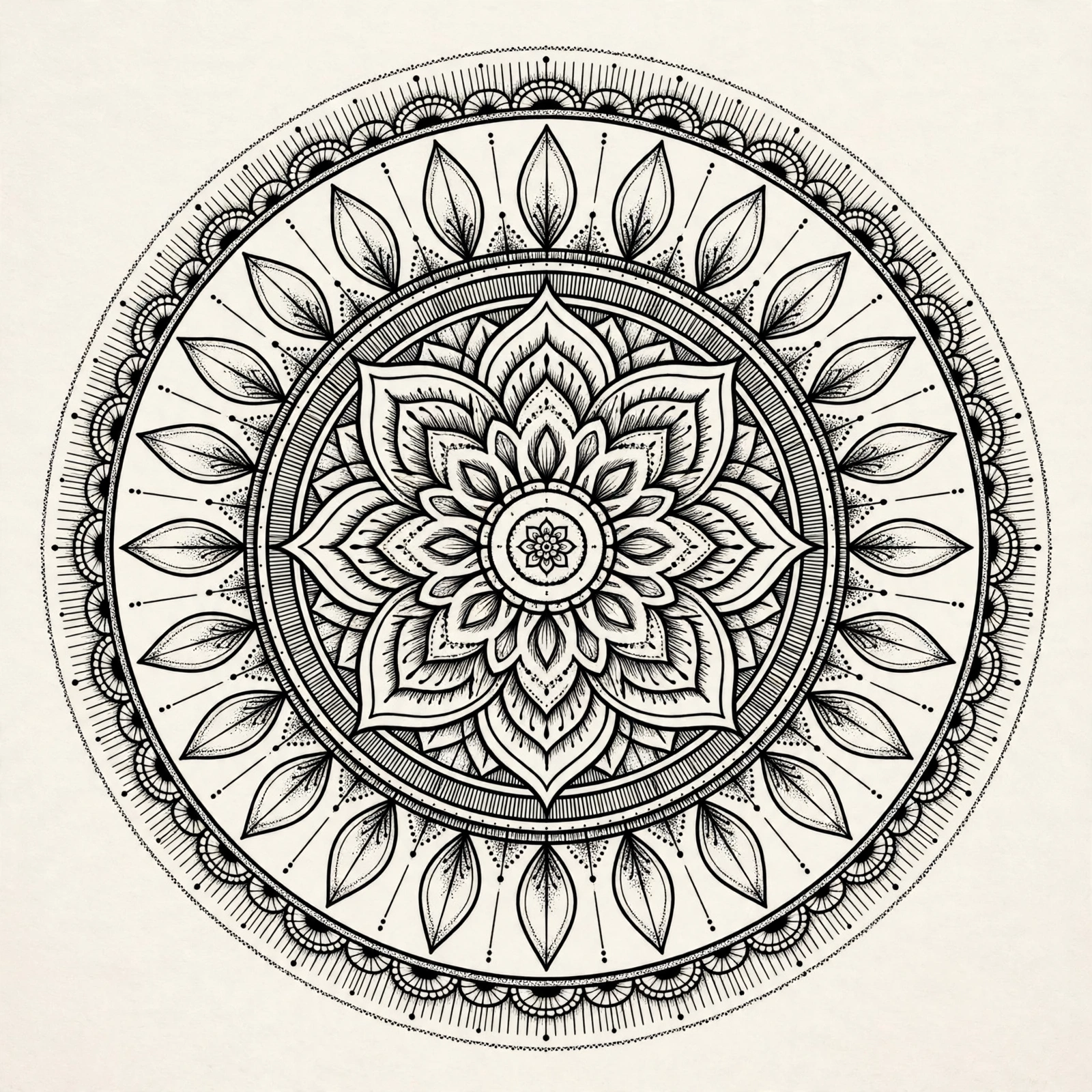
A classic symmetrical mandala is the design most people picture first, and it remains popular for a good reason. Perfectly balanced around a central point, it grows outward in rings of petals, teardrops, and fine lines, each layer mirroring the one before it. The result is a pattern that feels calm and complete, like a flower seen from directly above.
This is a wonderful first mandala because the symmetry does so much of the work. There is no need for colour or extra symbols — the pattern itself is the point. A good artist will take time to get the circles exact, since even a small wobble shows in a design this precise, so look for someone with clean linework in their portfolio.
Placement: Upper arm, where the round shape sits neatly on the curve of the muscle.
2. Fine-Line Mandala
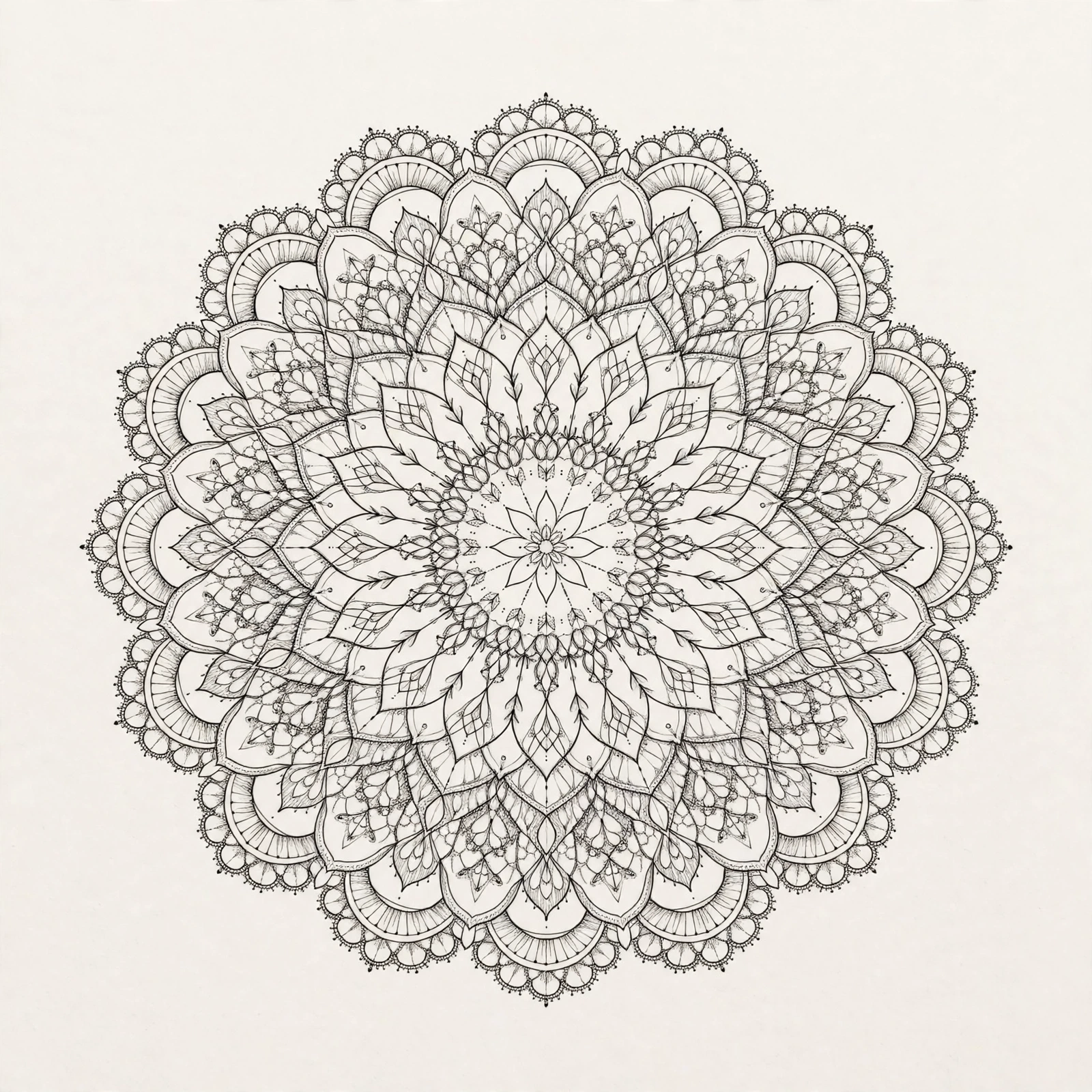
A fine-line mandala is drawn with thin, delicate strokes, giving it a light, almost lace-like feel. The lines are so fine that the design can hold a surprising amount of detail without ever looking heavy, and the overall effect is elegant rather than bold.
Fine-line work suits a mandala especially well because the style matches the mood of the pattern — quiet, careful, and refined. It is a good choice if you want something intricate but understated, and it heals quickly since the lines are so light. Keep the size modest so the thin lines stay crisp over time.
Placement: Inner forearm, where the flat surface shows off the delicate detail.
3. Dotwork Mandala
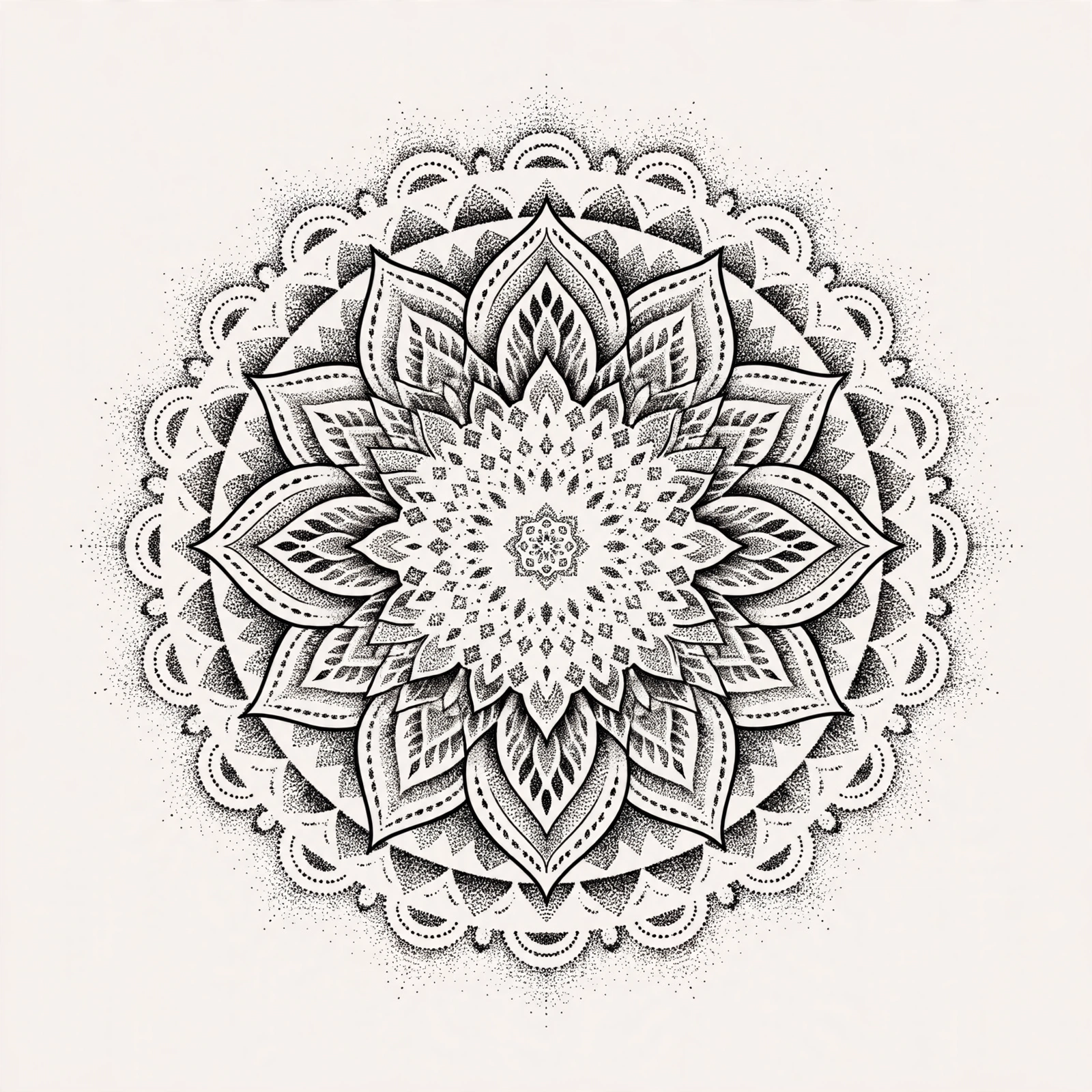
Dotwork builds a mandala entirely from tiny dots, with the shading created by how closely the dots sit together. Dense clusters form the darkest areas, while sparse dots fade out into the skin, giving the design a soft, almost glowing quality that linework alone cannot quite match.
The effect is gentle and dreamy, and it suits the meditative feeling of a mandala perfectly. Dotwork does take longer to tattoo than a linework piece, because every dot is placed one at a time, so be ready for a longer session. The patience pays off in a design that looks almost like it was printed rather than tattooed.
Placement: Shoulder, where the round design fits the natural curve of the joint.
4. Mandala with Lotus Flower
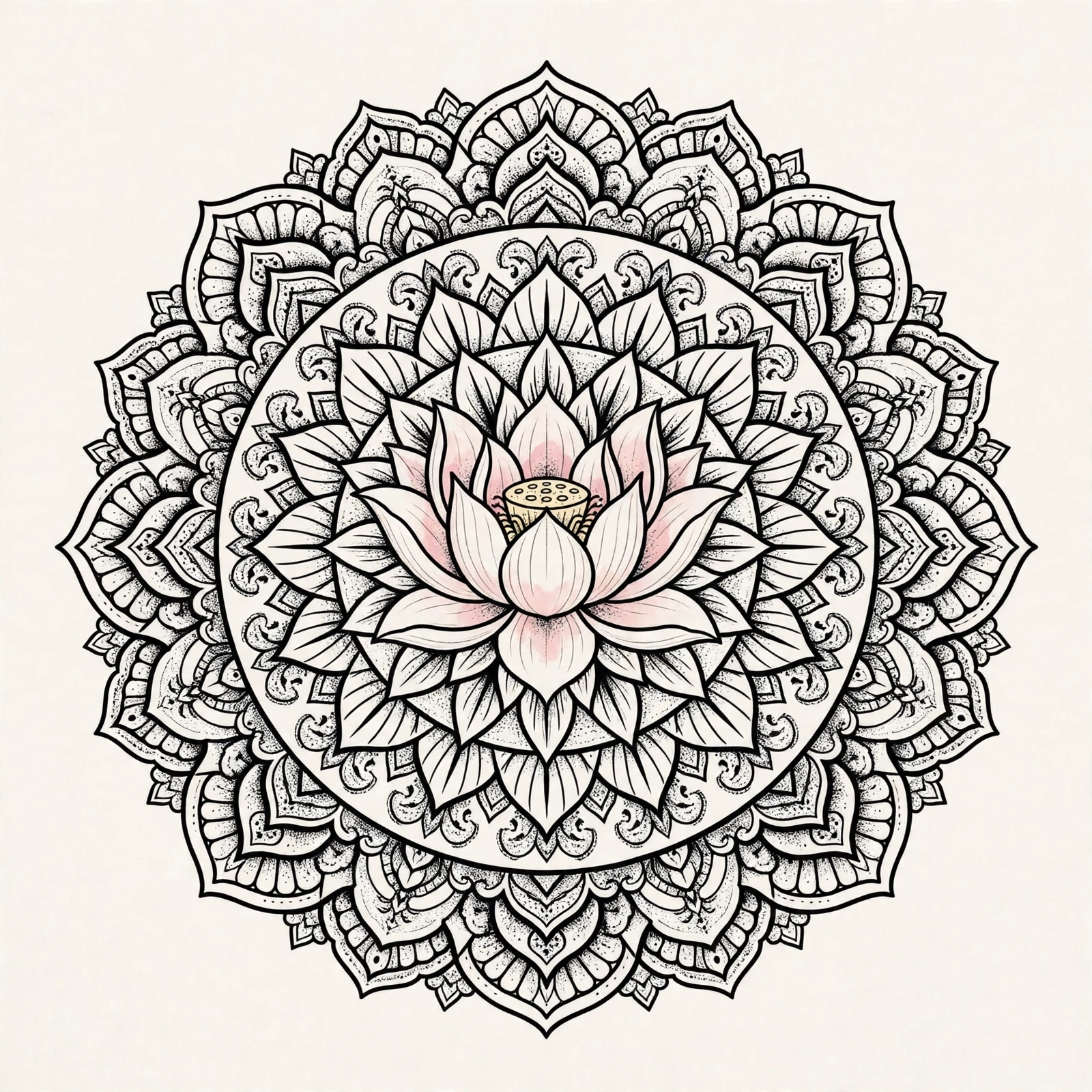
A mandala with a lotus flower at its centre combines two symbols of calm in one design. The lotus blooms from the middle of the mandala, its petals opening outward into the surrounding rings, so the whole piece feels like it is growing from the flower itself.
The lotus is a natural fit here, since it stands for growth, purity, and new beginnings in many traditions. The design works in black ink alone, or with a soft touch of colour in the lotus petals — pale pink or muted purple keeps it gentle without overpowering the pattern. If you love floral tattoos generally, our 21 rose tattoo ideas show how flowers can frame a design in a similar way.
Placement: Upper back, between the shoulder blades, where the round shape sits centrally.
5. Geometric Mandala
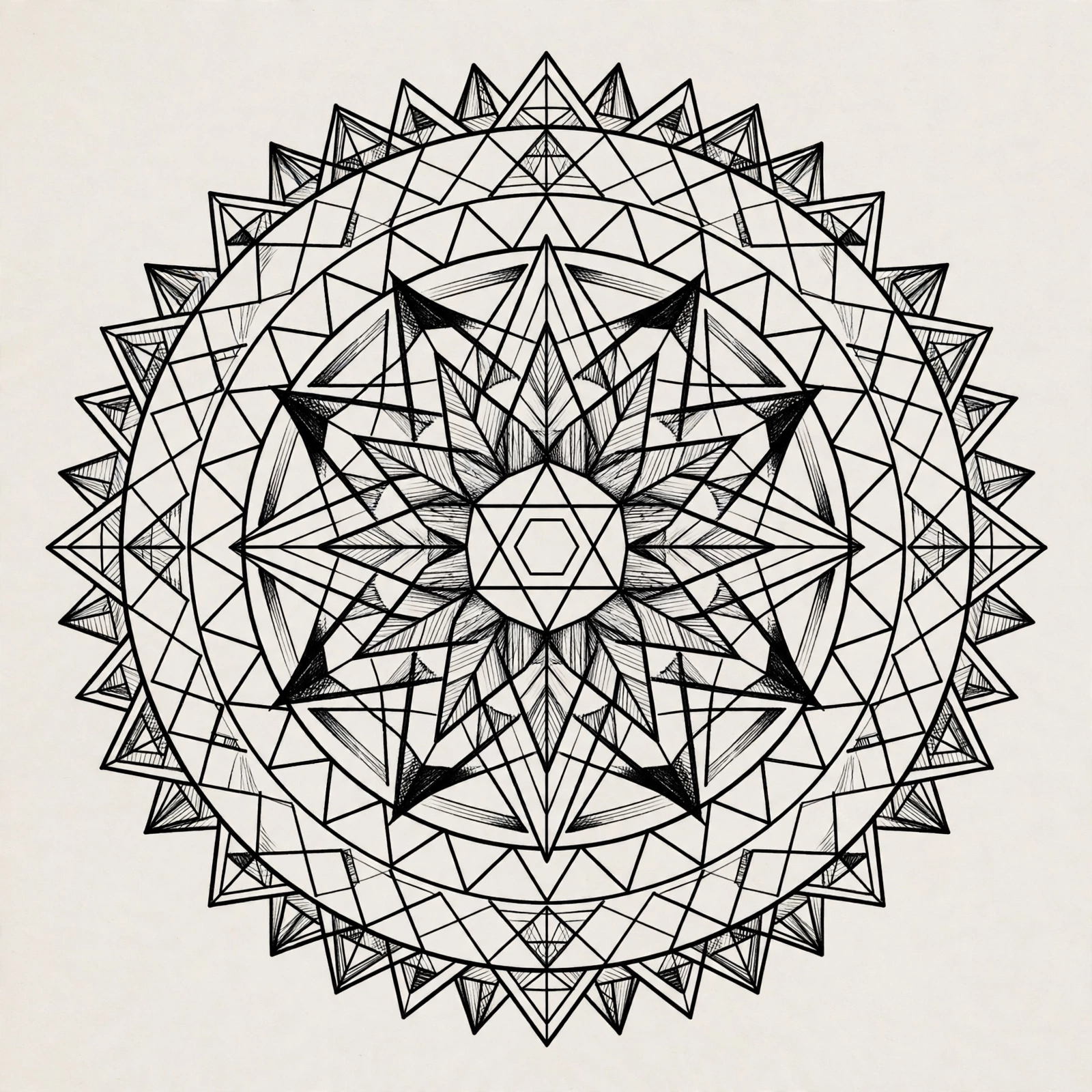
A geometric mandala strips the pattern down to straight lines, triangles, and sharp angles, giving it a modern, graphic edge. The symmetry is still there, but the soft curves of a classic mandala are replaced by clean, precise shapes that feel more like architecture than a flower.
This style suits people who like structured, contemporary art. Bold straight lines hold their shape well over the years, so a geometric mandala tends to age gracefully. You can keep it entirely in black ink, or add a single accent — one triangle in deep blue, for example — for a subtle pop of colour.
Placement: Forearm, where the straight lines sit neatly along the arm.
6. Mandala Sun
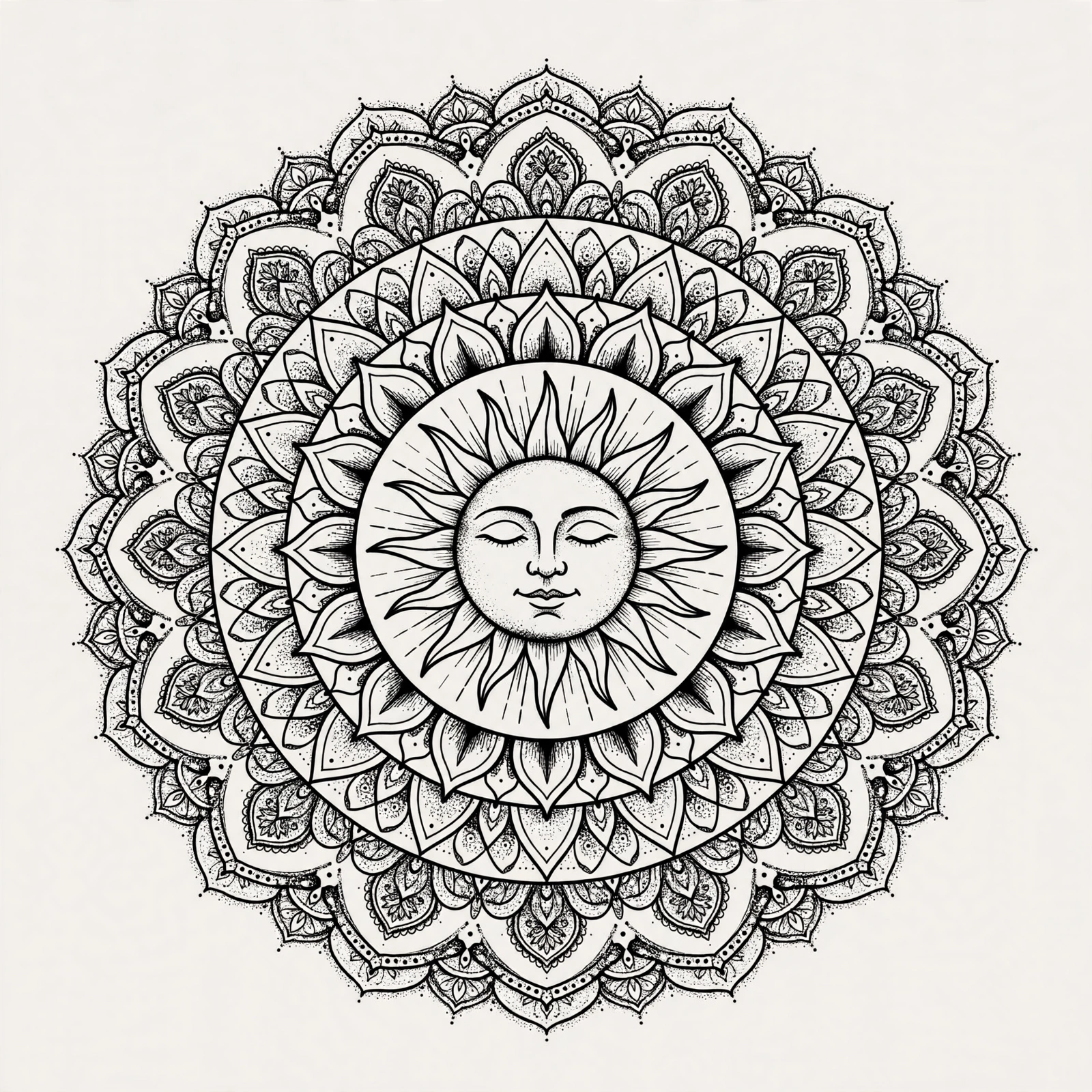
A mandala sun places a radiant sun at the centre of the pattern, with rays spreading outward into the mandala rings. The sun brings warmth and energy to a design that can otherwise feel very still, and the combination feels both peaceful and alive.
Sun designs are a natural match for mandalas, since both are circular and both have been used as symbols of life and light for centuries. The rays can be fine and delicate or bold and dramatic, depending on how much contrast you want. It is a lovely choice if you want your mandala to feel bright and hopeful rather than purely meditative.
Placement: Chest, where the round sun shape sits centrally and close to the heart.
7. Mandala Moon and Stars
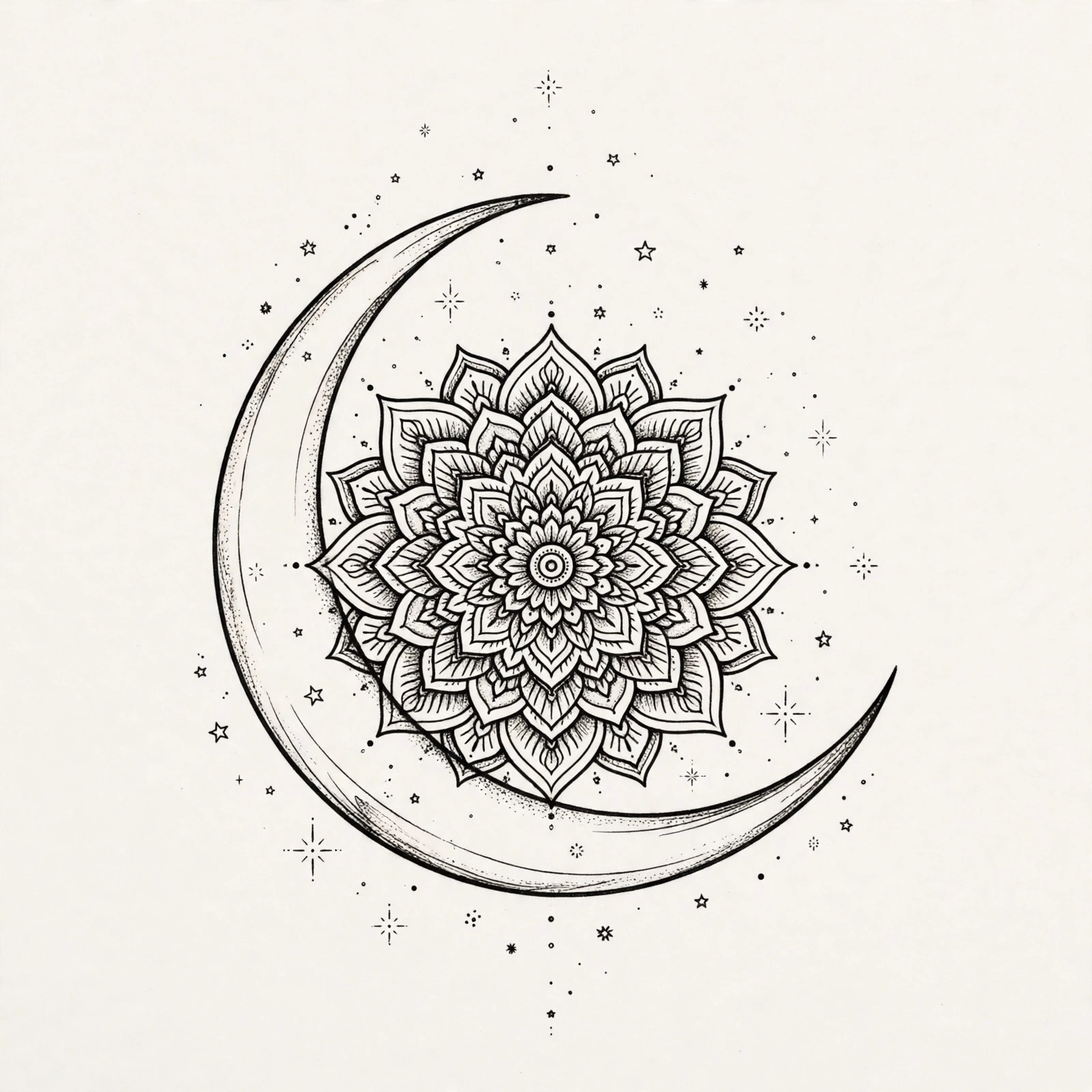
A mandala moon and stars design pairs the pattern with a crescent moon, its curve cradling one side of the mandala while tiny stars scatter around the edges. The moon adds a gentle, night-time softness to the geometry, and the stars give the whole piece a touch of magic.
This design works beautifully in black and grey, with fine dots standing in for the stars. It is a good pick if you love celestial themes but want something more intricate than a simple moon on its own. Keep the moon’s curve smooth and the stars small, and the mandala stays the star of the piece.
Placement: Thigh, where the design has room to breathe and stays mostly private.
8. Floral Mandala
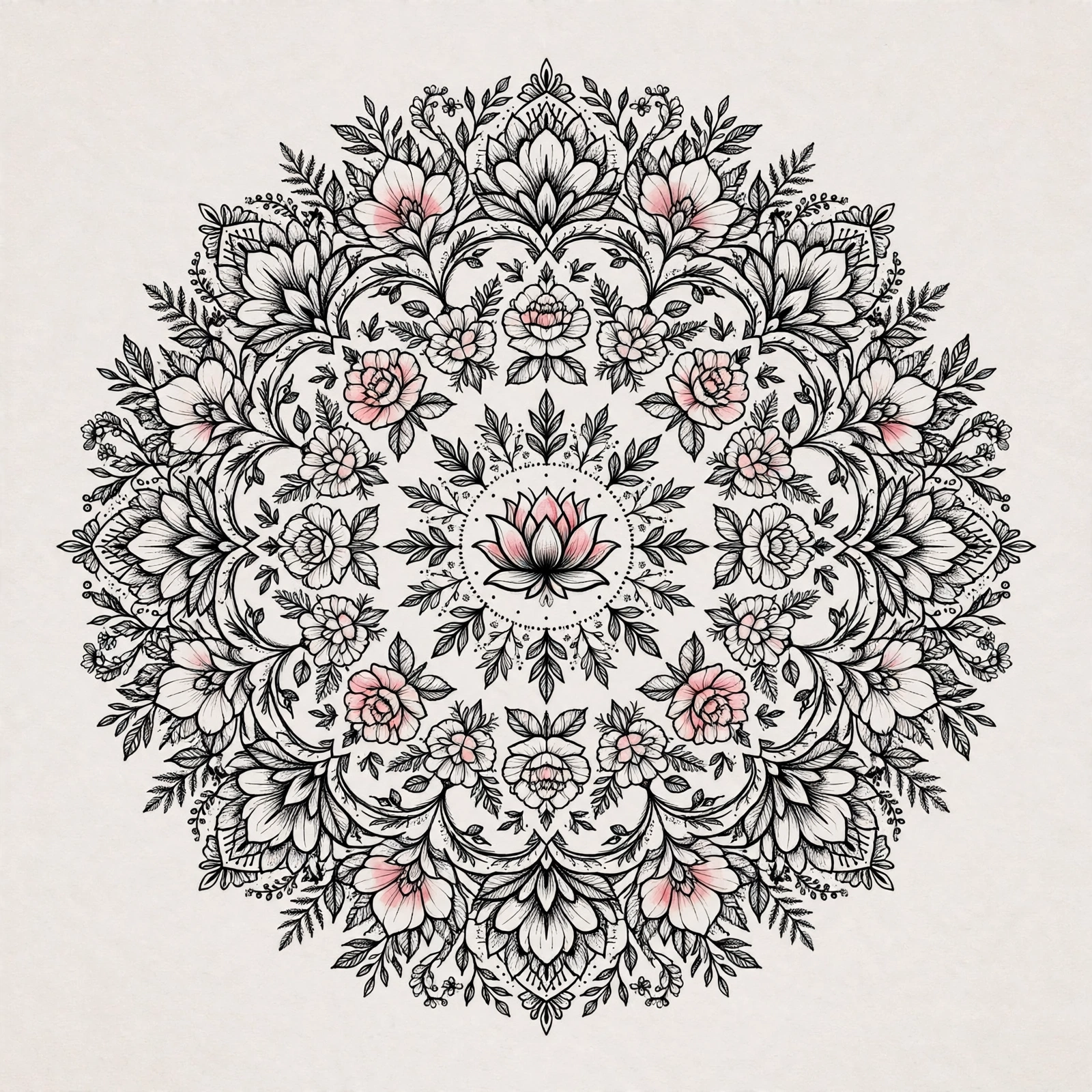
A floral mandala lets flowers take over the pattern, with petals, leaves, and blossoms forming the rings instead of abstract shapes. The result is softer and more organic than a classic mandala, like a bouquet seen from above, but it keeps the same satisfying symmetry.
The flowers can be any blooms you like — roses, daisies, or wildflowers — and a touch of soft colour in the petals gives the design warmth without making it busy. This is a lovely choice if you want a mandala that feels gentle and romantic rather than geometric. For a similar floral feeling in another style, our 21 sunflower tattoo ideas for women are a good place to find flower combinations that pair well with a mandala, though the mandala itself is the focus here.
Placement: Shoulder blade, where the wide, flat surface suits a larger floral pattern.
9. Mandala with Om Symbol
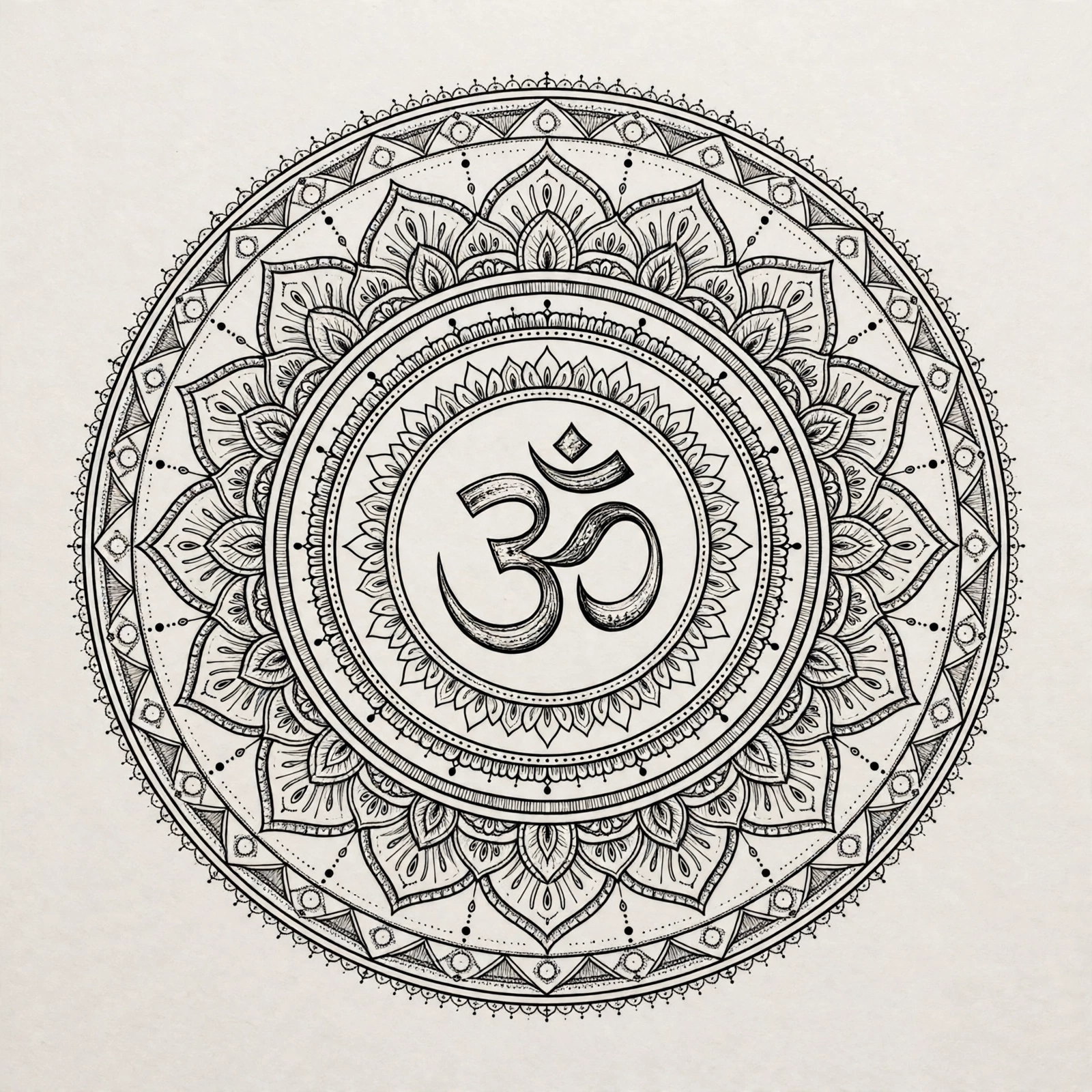
A mandala with an Om symbol at its centre places the sacred sound of Om right where the pattern begins. The symbol sits in the middle, calm and still, while the mandala rings grow outward around it like ripples from a stone dropped in water.
This is a meaningful choice for anyone who meditates or practises yoga, since both the Om and the mandala are tied to focus and inner calm. The design is usually kept in black ink, which suits the quiet, spiritual feeling of the piece. Ask your artist to draw the Om carefully by hand rather than copying a printed version, so it feels like part of the design rather than pasted into it.
Placement: Upper back, centred between the shoulder blades, where the symmetry feels most natural.
10. Minimalist Small Mandala
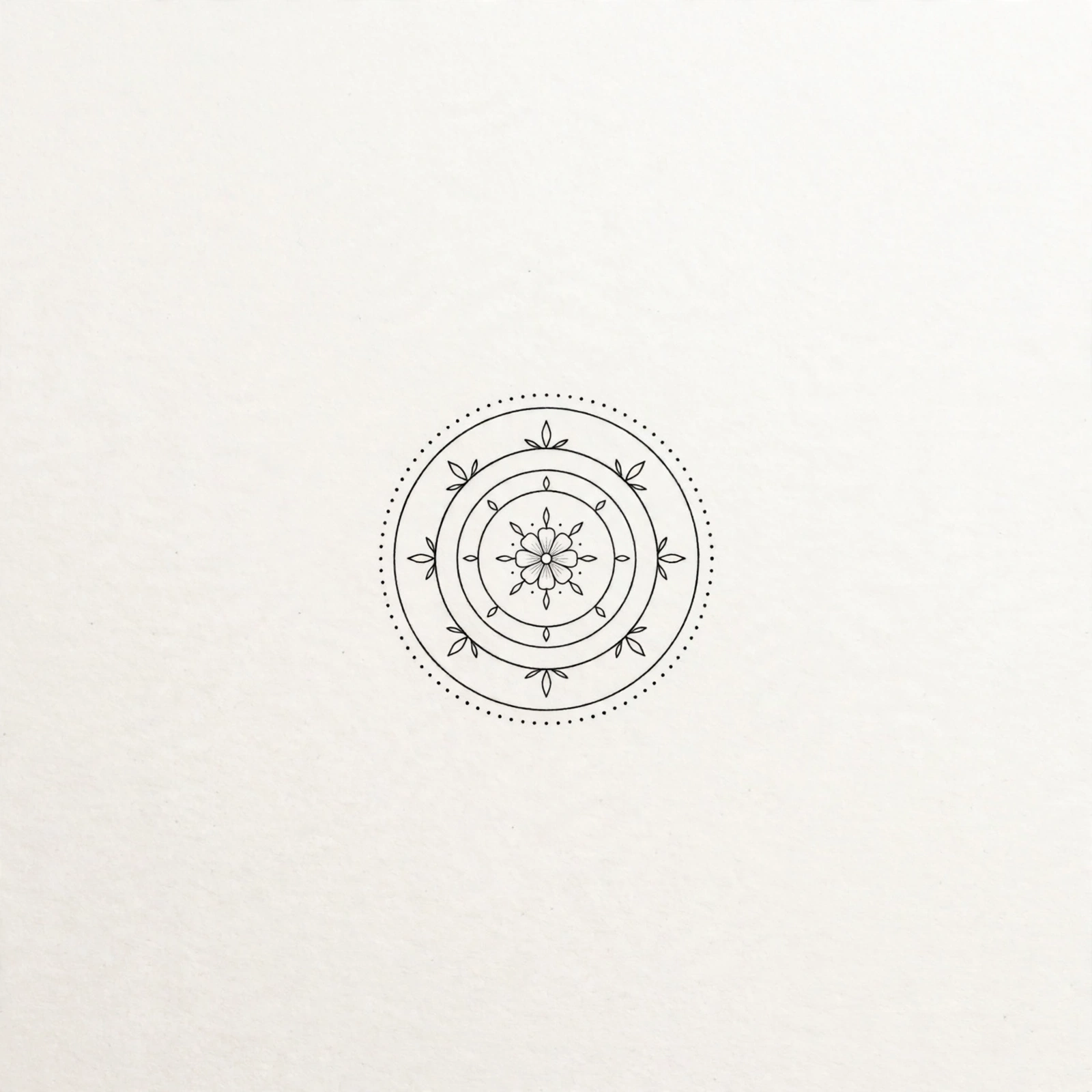
A minimalist small mandala proves that a mandala does not need to be large to be beautiful. Reduced to a few clean rings and a simple central flower, it is barely bigger than a coin, yet it still carries the balance and calm of a much larger design.
The small scale is part of the charm. It is quick to tattoo, easy to place, and subtle enough for someone who wants a meaningful design without a statement piece. Because the lines are so few, each one matters — choose an artist known for clean, steady minimal work, and keep the design simple so it stays crisp.
Placement: Wrist, where a small round design sits neatly and catches the eye.
11. Mandala Spine Tattoo
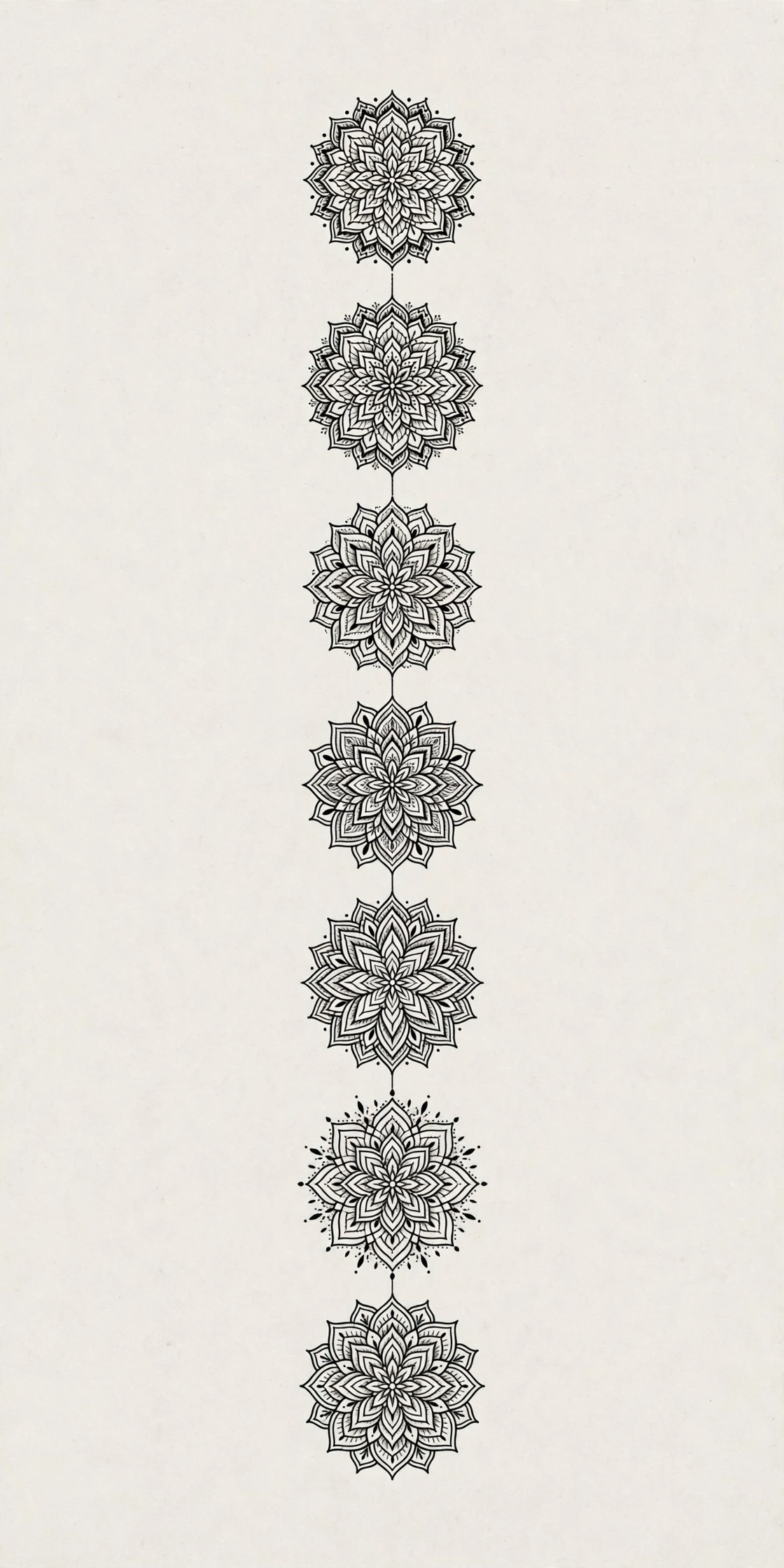
A mandala spine tattoo runs in a vertical line down the centre of the back, with small mandala circles stacked one above the other like beads on a string. Each circle is a little different, but they share the same style, so the whole piece feels like one flowing design rather than several separate tattoos.
This is one of the most elegant places for a mandala, since the spine itself is a natural centre line and the design follows it perfectly. It is a commitment — the spine is a sensitive spot, and a vertical piece takes time — but the result is striking from every angle. Keep the circles modest in size so the line stays graceful rather than heavy.
Placement: Centre of the back, running down the spine from the neck to the lower back.
12. Mandala Shoulder Cap
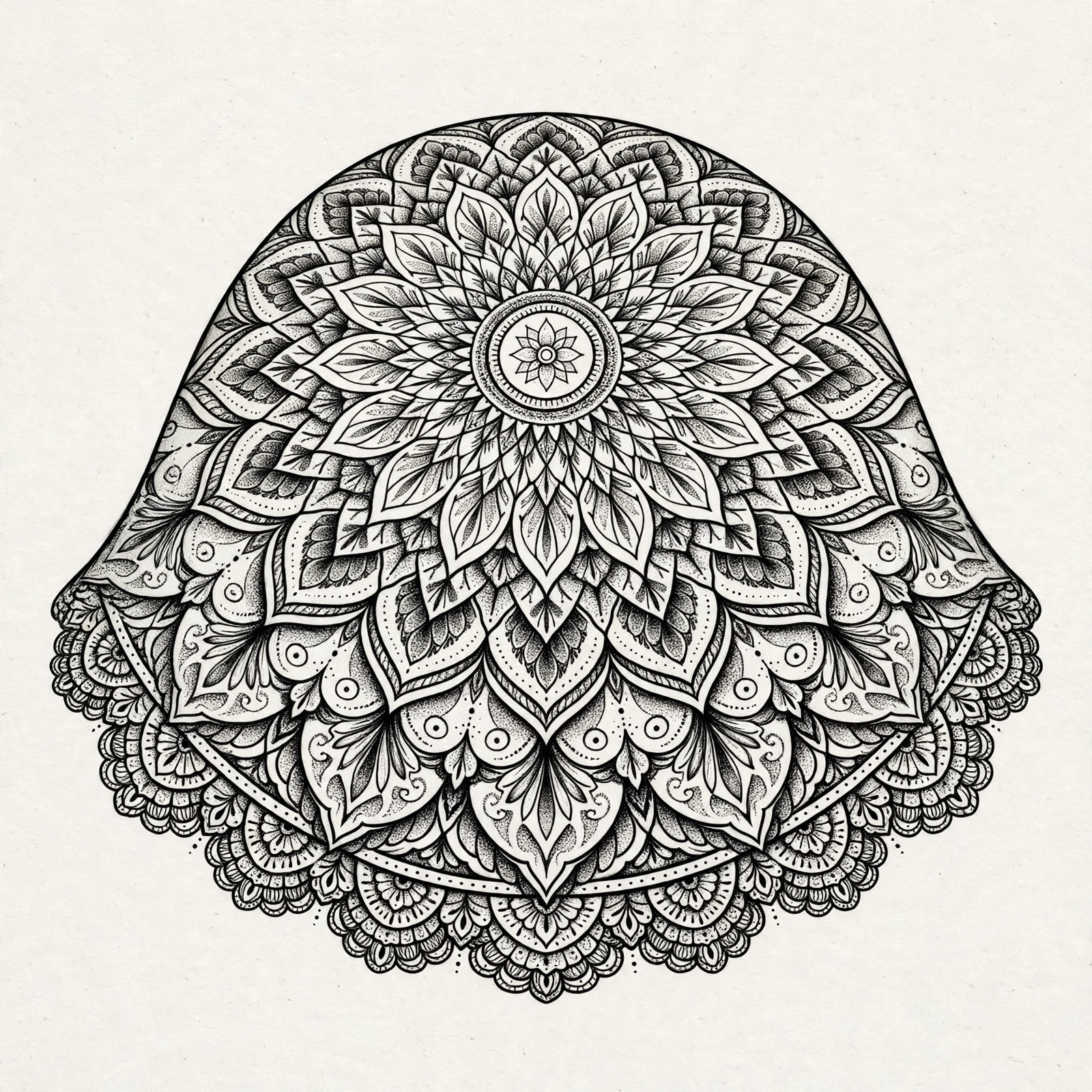
A mandala shoulder cap is designed to wrap around the curve of the shoulder, with the centre of the mandala sitting right on the point of the joint and the pattern spreading outward across the upper arm and chest. It is a bold placement that turns the shoulder itself into part of the design.
This placement works because the round mandala shape and the round shoulder shape fit together so naturally. The design needs an artist who understands how a flat pattern wraps around a curved surface, so look at healed photos of shoulder work before you book. It is a strong choice if you want a mandala that feels like it belongs to your body rather than sitting on top of it.
Placement: Shoulder, centred on the joint, wrapping slightly onto the upper arm.
13. Mandala and Butterfly
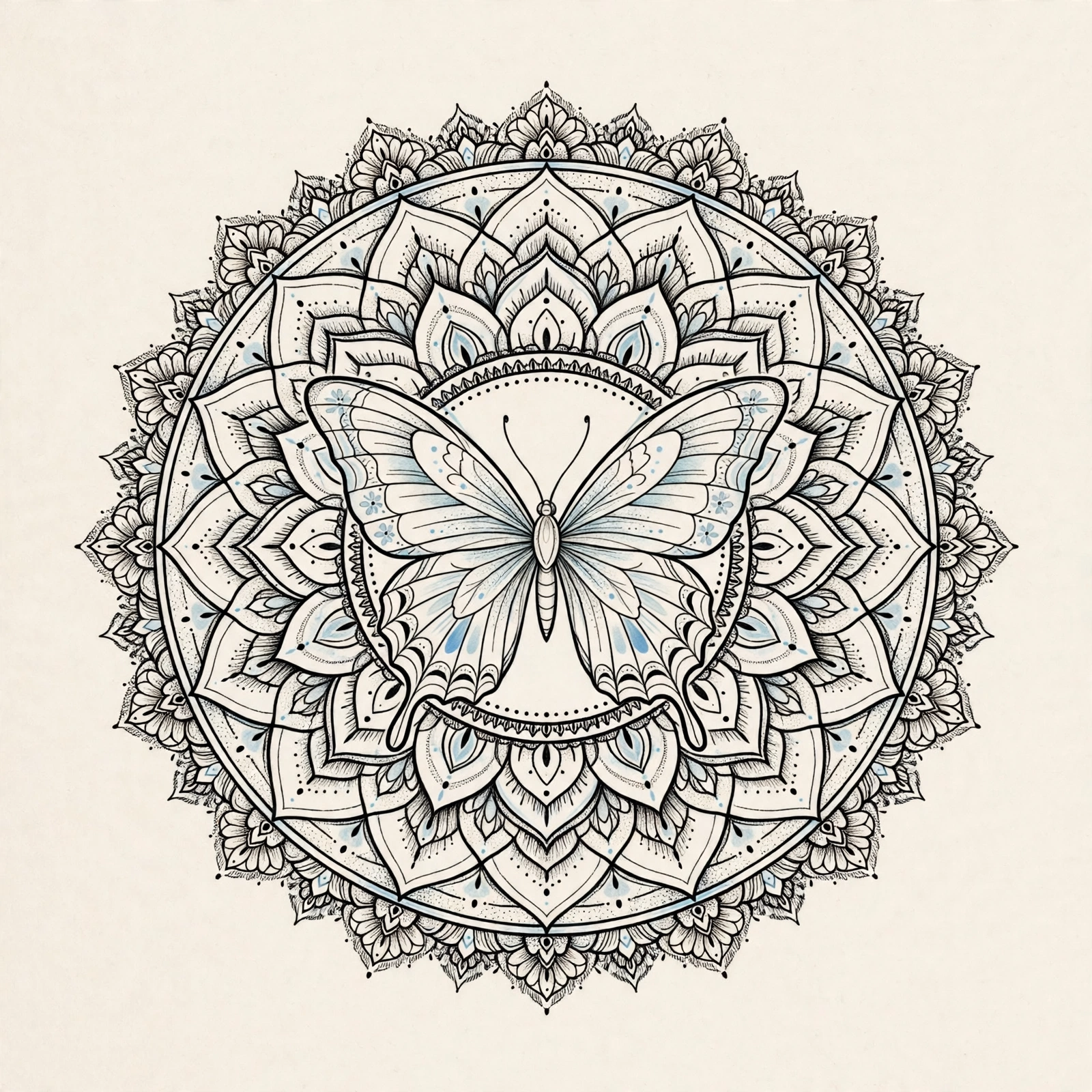
A mandala and butterfly design places a delicate butterfly at the centre or edge of the mandala, its wings echoing the symmetry of the pattern around it. The butterfly adds lightness and movement to a design that is otherwise perfectly still, and the two shapes balance each other beautifully.
Butterflies stand for change and new beginnings, which pairs naturally with the mandala’s sense of balance. A small touch of colour on the butterfly’s wings — soft orange or pale blue — draws the eye to the centre without overwhelming the black linework. Keep the butterfly’s wings symmetrical, so it feels like part of the mandala rather than an addition to it.
Placement: Forearm, where the butterfly and mandala can stretch out along the arm.
14. Mandala with Peacock Feather
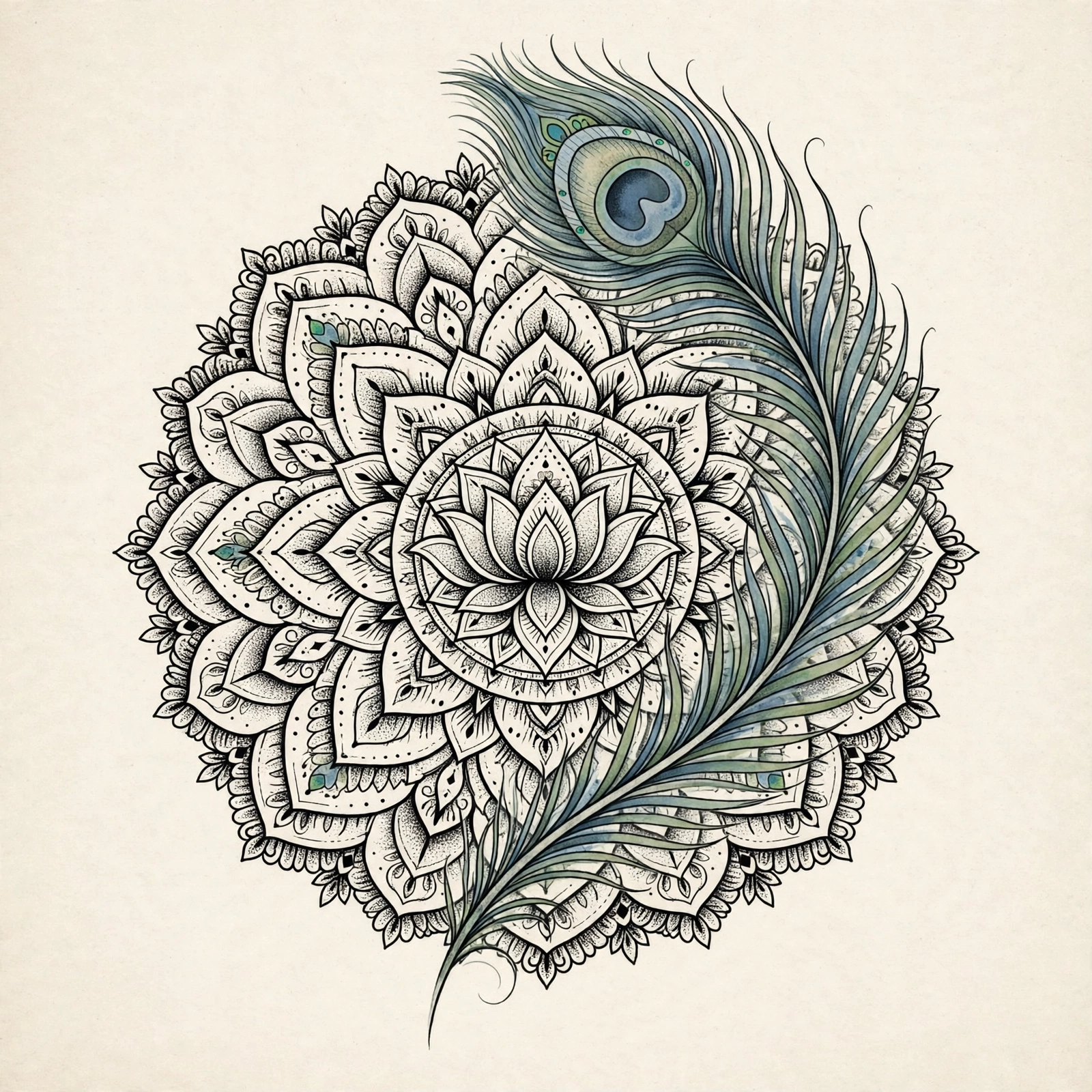
A mandala with a peacock feather brings a dramatic sweep of colour and shape into the pattern. The feather curves through or beneath the mandala, its eye-spot echoing the circular centre, while the fine barbs of the feather add a soft, flowing contrast to the mandala’s strict symmetry.
Peacock feathers are a popular tattoo motif on their own, and they pair well with a mandala because both are detailed and ornamental. The feather’s natural blues and greens can be kept muted so they complement rather than compete with the mandala. If you love animal-inspired designs, our 21 wolf tattoo ideas show how another detailed motif can be built around a central image.
Placement: Upper arm, where the feather has room to curve alongside the mandala.
15. Blackwork Mandala
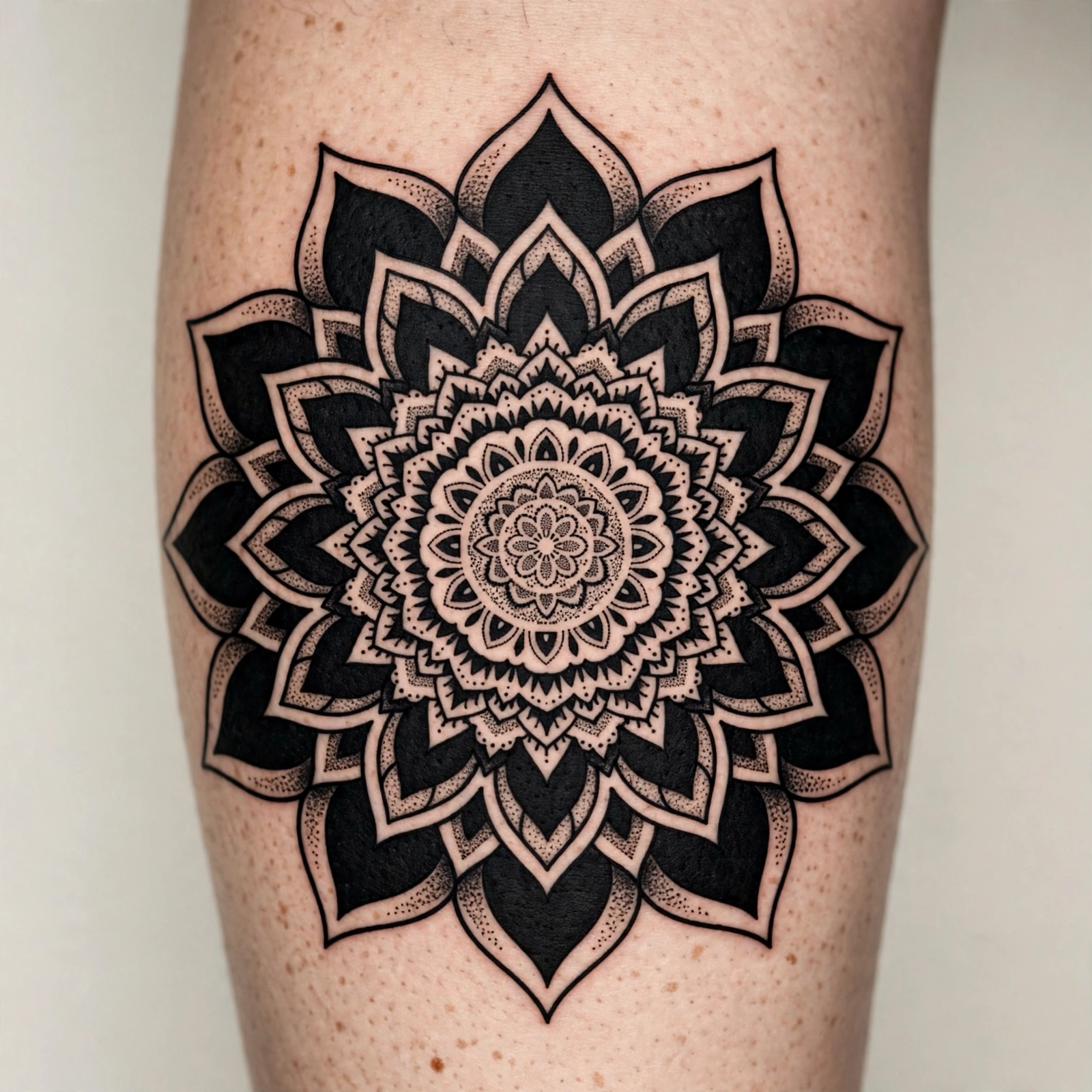
A blackwork mandala uses solid black ink and heavy contrast, with thick black petals and deep shading set against untouched skin. The result is bold and dramatic, a mandala that reads clearly from across the room rather than whispering from up close.
Blackwork is one of the most reliable tattoo styles, since solid black ink holds up beautifully over time and there are no fine details to blur. It suits a mandala well because the strong contrast makes the symmetry even more striking. This is a good choice if you want a mandala with real presence, and you are happy for it to be a statement piece.
Placement: Upper arm, where the solid shape has room to breathe and looks strong from every angle.
16. Watercolour Mandala
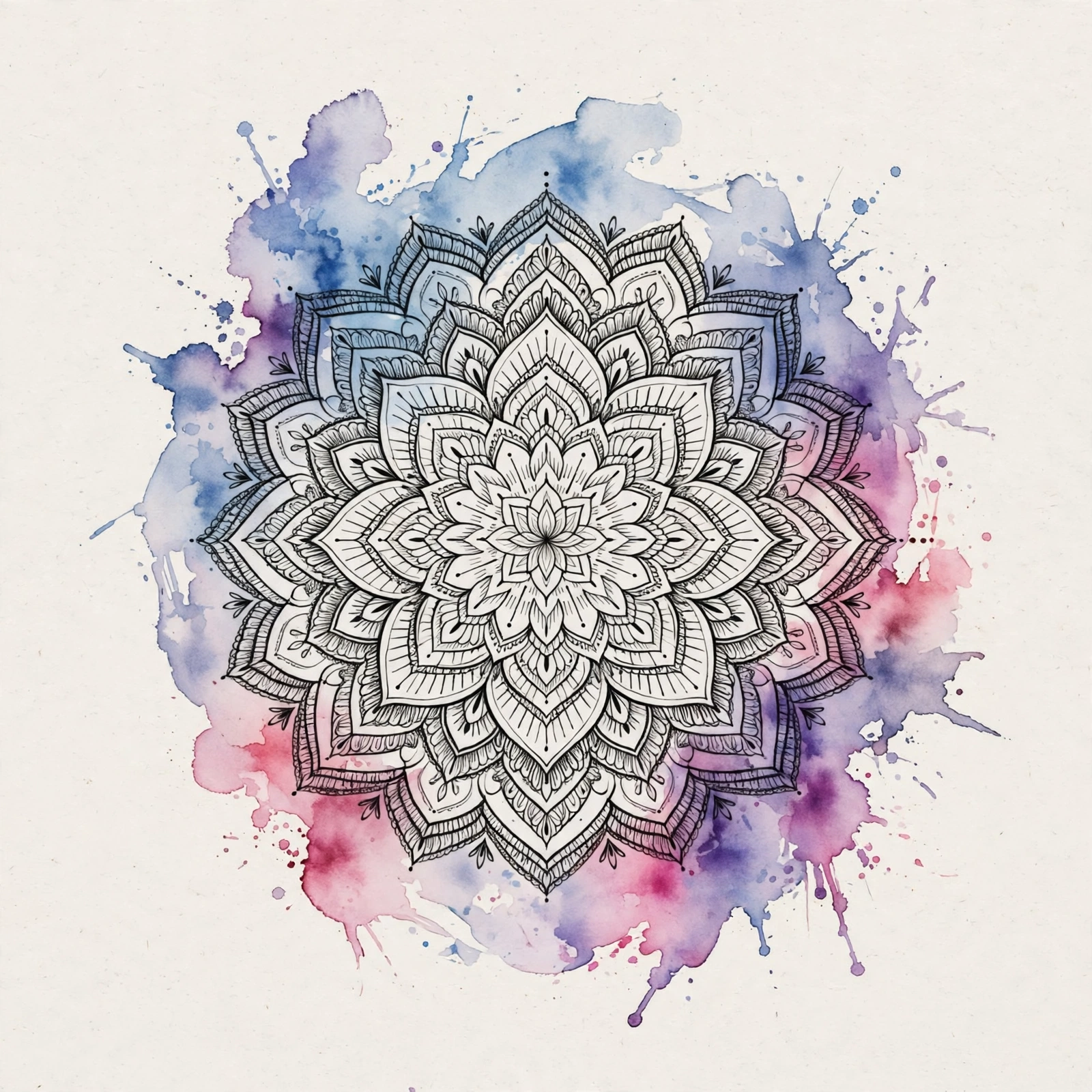
A watercolour mandala keeps the pattern in fine black linework, then lets washes of colour bloom around and behind it like paint dropped into water. Soft blues, pinks, and purples pool in the background, while the mandala itself stays crisp and clear at the centre.
No two watercolour tattoos ever look quite alike, because the colour settles differently every time, which suits the one-of-a-kind feeling of a mandala. Choose an artist who specialises in watercolour, as the technique is very different from traditional shading, and keep the colours soft so the mandala lines stay the focus.
Placement: Shoulder, where the colour has a broad, flat surface to spread across.
17. Mandala Wrist Band
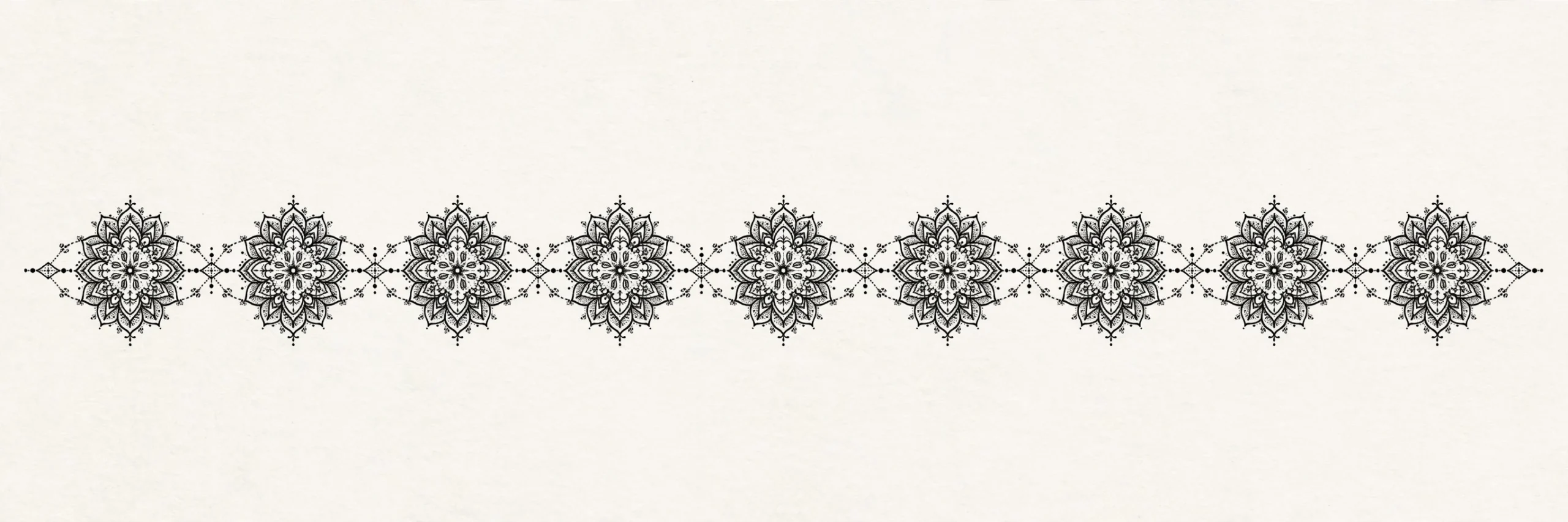
A mandala wrist band wraps a narrow band of mandala pattern all the way around the wrist, like a bracelet made of ink. Small mandala motifs repeat around the band, linked by fine lines and dots, so the design feels continuous from every angle.
Wrist bands are a classic tattoo placement, and a mandala pattern suits it because the repeating motifs are made to wrap around a circle. Keep the band narrow and the motifs small, so it feels like jewellery rather than a heavy cuff. It is also easy to pair with a bracelet or watch, since the design sits flat against the skin.
Placement: Wrist, wrapping all the way around like a bracelet.
18. Mandala with Elephant
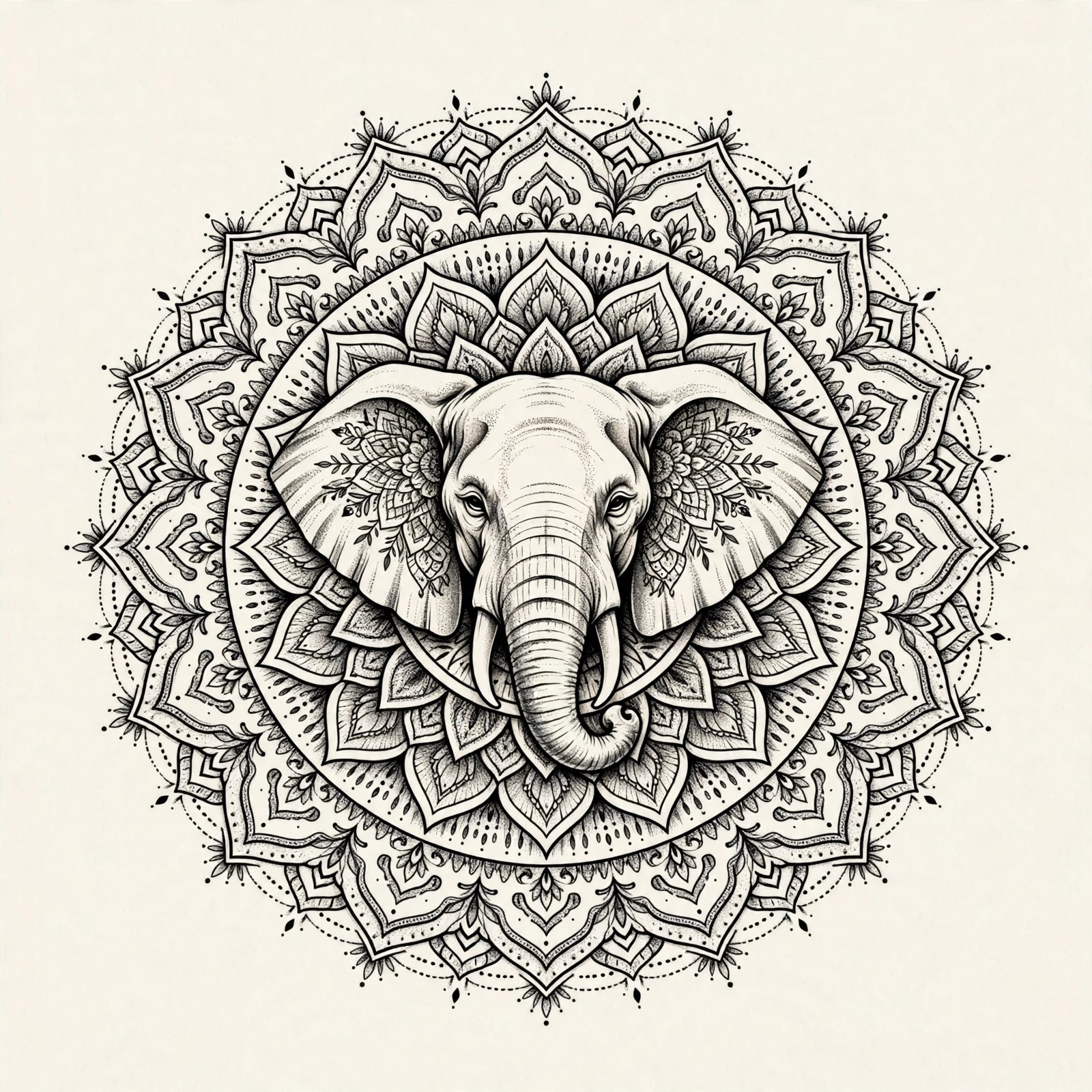
A mandala with an elephant at its centre combines the gentle strength of the elephant with the balance of the mandala. The elephant is drawn in fine black and grey shading, its ears and trunk echoing the curves of the pattern, while the mandala rings frame it like a halo.
Elephants stand for wisdom, patience, and good luck in many cultures, which makes them a meaningful centre for a mandala. The design works best at a larger size, so the elephant’s face has room for detail without crowding the pattern around it. It is a lovely choice if you want a mandala with a strong, calm animal at its heart.
Placement: Thigh, where the large round design has plenty of room.
19. Mandala Ankle Tattoo
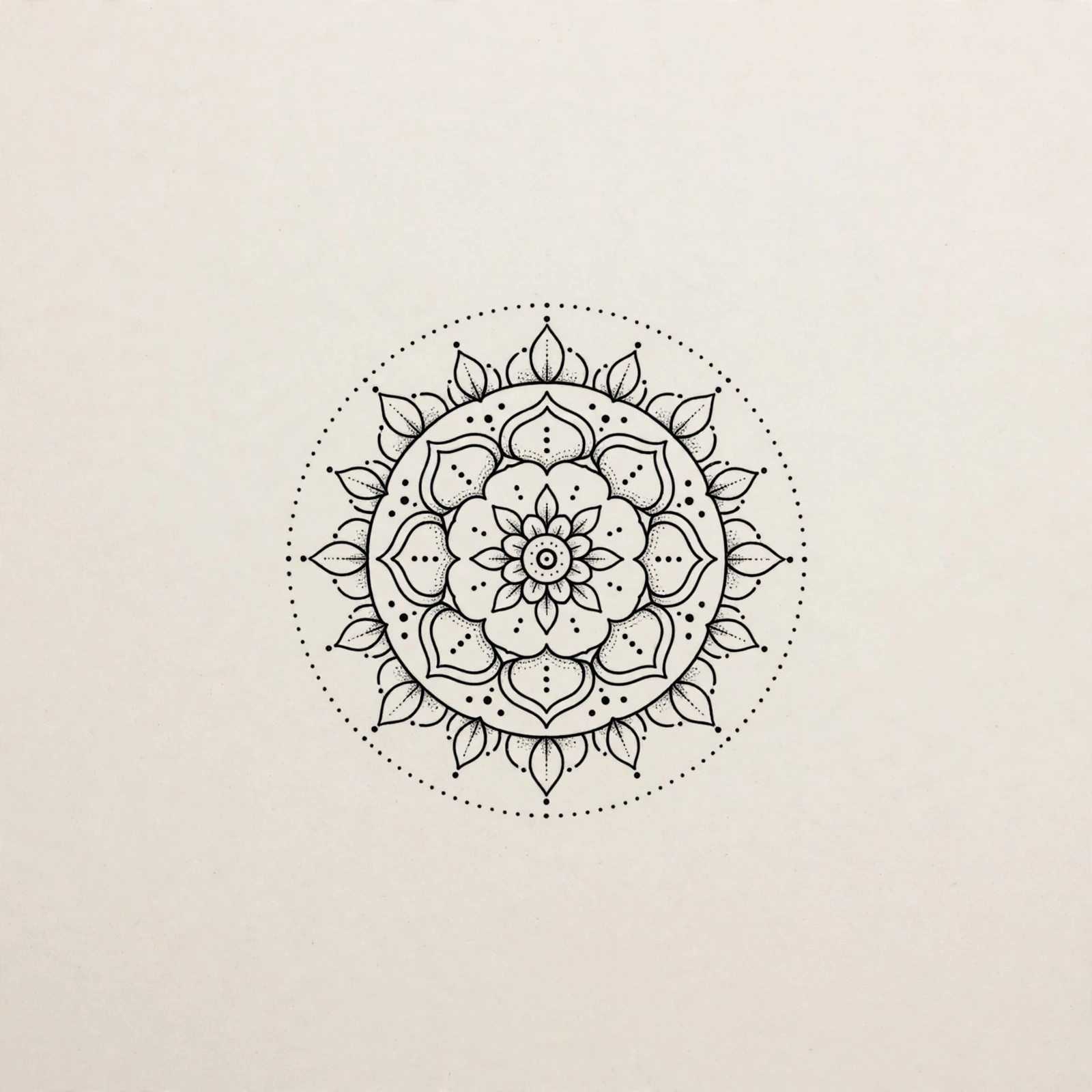
A mandala ankle tattoo is a small, neat circle that sits just above the ankle bone, visible with sandals and easy to cover with socks. The design is usually kept simple — a few rings of petals and dots — so it reads clearly at a small size.
Ankle tattoos are a favourite for a first mandala because the spot is discreet and the session is short. The round shape fits the ankle well, and the design feels personal, like a small secret you can show or hide as you like. Keep the lines clean and the size modest, since the ankle moves a lot and fine detail can blur there over time.
Placement: Ankle, just above the bone, on the outer side of the leg.
20. Mandala with Chakra Colours
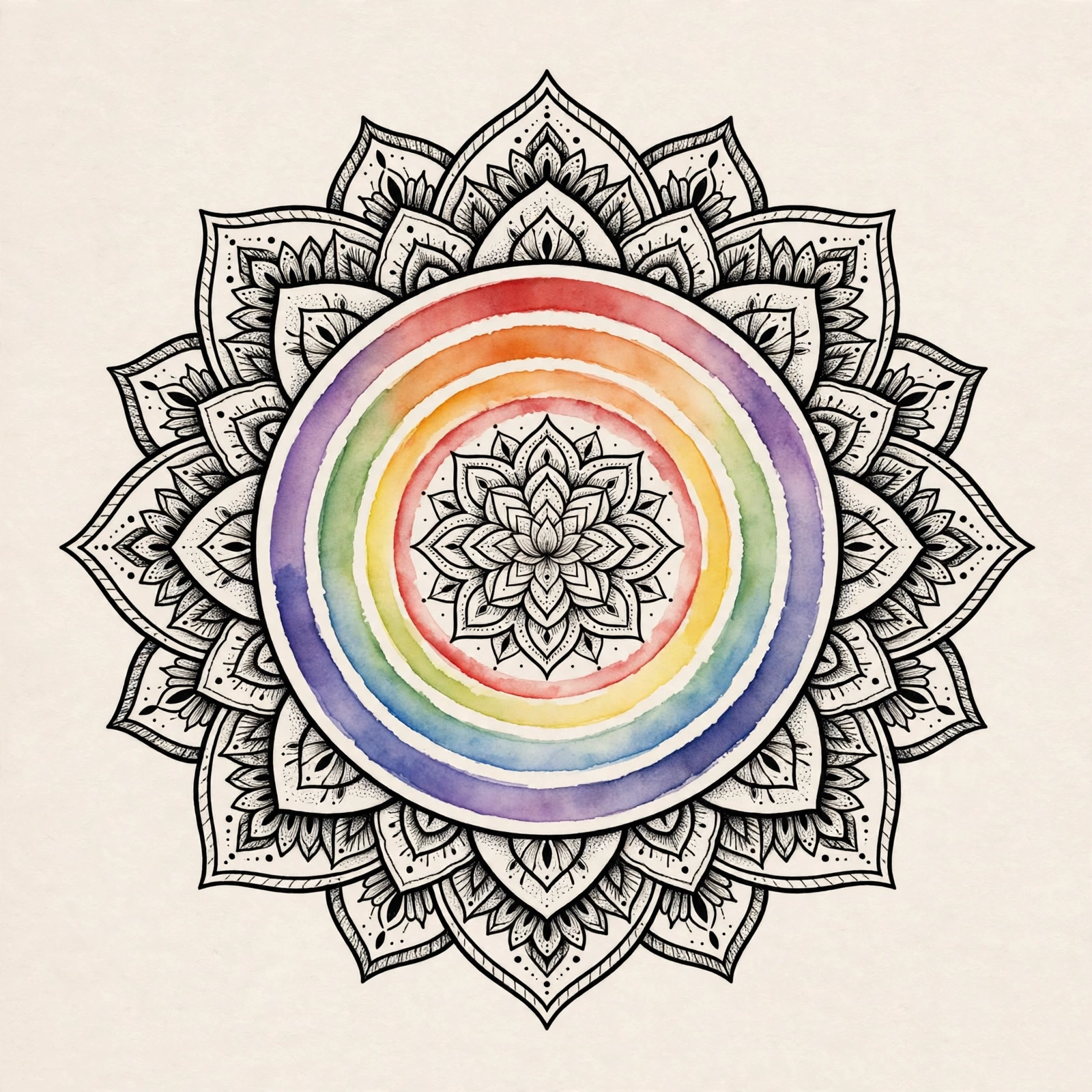
A mandala with chakra colours adds the seven colours of the chakras to the pattern, one colour for each ring or layer, moving from deep red at the centre outward through orange, yellow, green, blue, indigo, and violet. The result is a mandala that feels vibrant and alive, with each colour carrying its own meaning.
This is a joyful, colourful take on a mandala, and it suits someone who wants their tattoo to feel energetic rather than restrained. The colours need to be balanced carefully so no single ring overpowers the rest — a good artist will keep them soft and even, so the whole piece glows rather than shouts.
Placement: Forearm, where the coloured rings can be seen easily and the full spectrum shows.
21. Large Full-Back Mandala
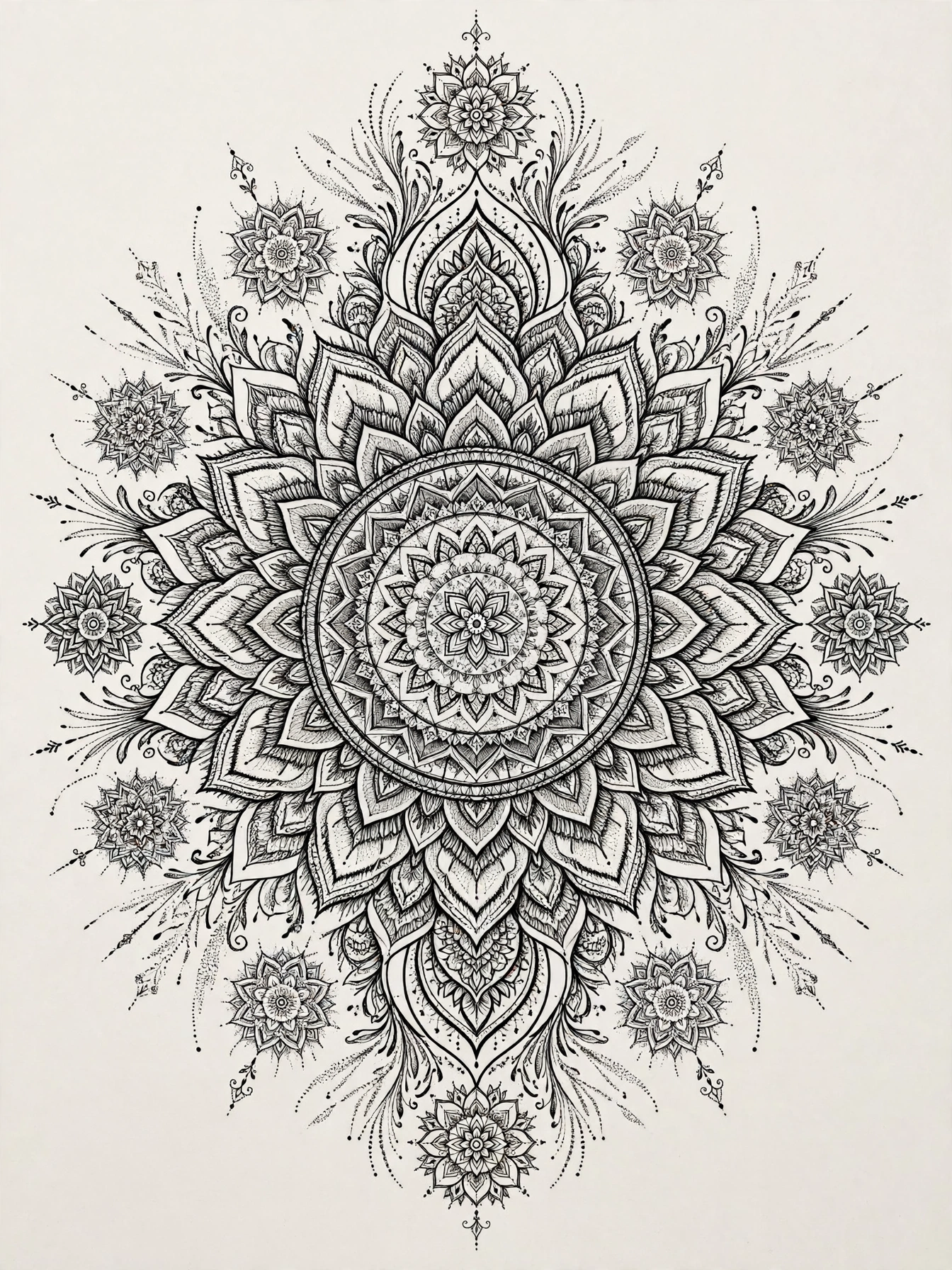
The largest design on this list is also the most impressive. A large full-back mandala spreads across the entire back, with a huge central mandala on the upper back and smaller rings, petals, and dotwork flowing outward toward the shoulders and lower back. It is a genuine work of art, built over several sessions.
A back piece like this is a serious commitment, but the mandala is one of the best designs for it, since its symmetry suits the symmetry of the back itself. The scale lets the artist include detail that would be impossible in a smaller piece — layers of lace-like lines, fine dotwork shading, and tiny petals that reward a closer look. If you are planning a large piece, our 21 dragon tattoo ideas show how other large designs use the same space.
Placement: Full back, centred on the spine, with the main mandala on the upper back.
Closing
Mandalas make wonderful tattoos because they are many things at once — calm and detailed, simple and intricate, personal and universal. Whether you choose a tiny outline on your wrist or a full back piece that takes months to finish, the best mandala tattoo is the one that feels balanced to you. Save the designs you love, talk them through with an artist whose style matches what you want, and take your time deciding. A good tattoo is worth waiting for, and a mandala, after all, is a reminder to slow down.